The Raleigh Naturalist

February 27, 2011

Triangle’s Art for the Birds

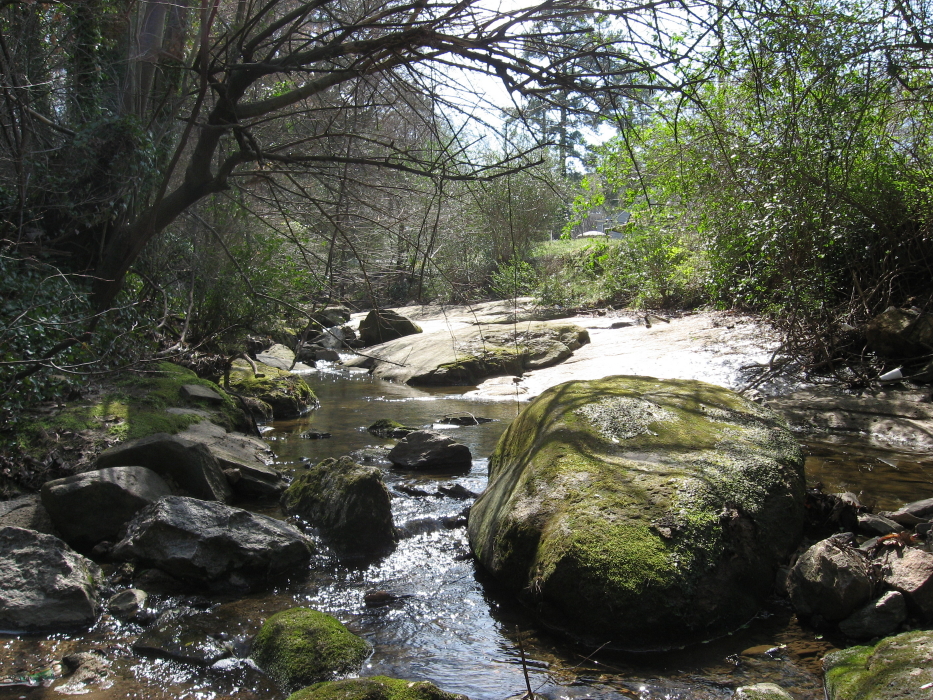
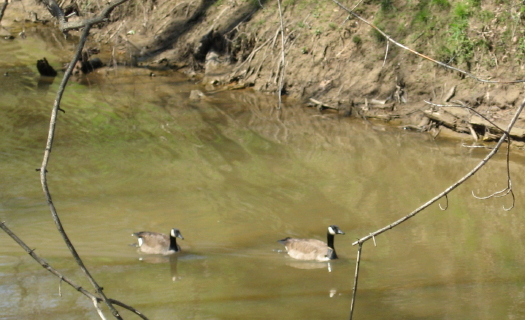
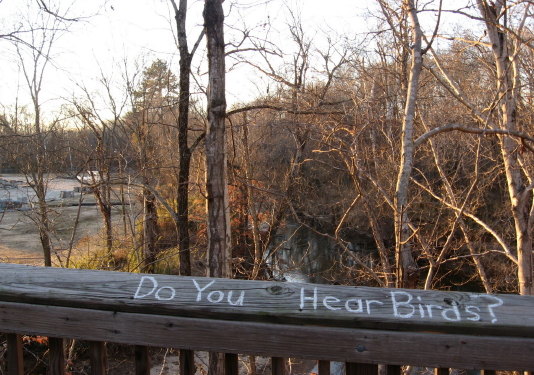
Crabtree Creek from greenway deck just west of Capital Boulevard

Art is gaining ground here on Raleigh Nature, as perhaps it well should.  Last summer, I posted about art shows related to Raleigh nature, and now I’m really enjoying participating in a piece of correspondence art, or at least communication art, by Julie Thomson, an artist and a scholar I met at the Black Mountain College conference last October.  Still haven’t written about that event over at Raleigh Rambles, but I had to share this wonderful project.

Julie’s installation consists of a poster about her piece inviting people to chalk “Do You Hear Birds?” in places they heard them, with a large pile of beautifully printed and wrapped chalks for people to pick up. Her blog documents responses.   The piece is part of a show called “Local Histories.”    Saturday, March 5, Julie is conducting a bird walk in association with her installation.
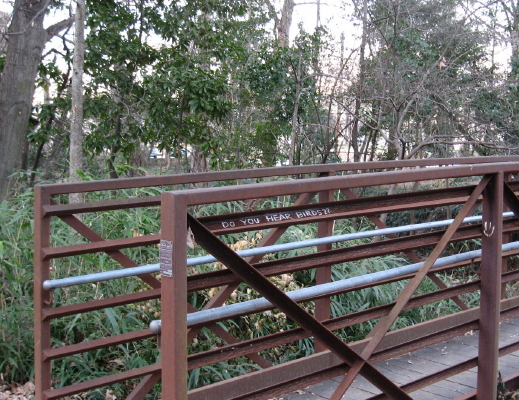
Edna Metz Wells Park, an excellent central raleigh birding spot

Julie Thomson’s project blog: http://www.doyouhearbirds.blogspot.com/

Her upcoming bird walk:

Saturday, March 5 at 8 am
Do You Hear Birds Bird Walk
Artist Julie Thomson and Biology graduate students from North Carolina
State University will lead a walk around Chapel Hill listening for,
and identifying, bird calls. Participants are encouraged to bring
binoculars if they have them for bird watching. Dress for the weather
and meet in front of the Local Histories exhibition building entrance,
523 E. Franklin Street, Chapel Hill.

Closer to home, Lee Moore’s show about birds opens Friday, March 4 at the Museum of Natural Sciences Nature Art Gallery.  Lee is a dear friend, a Bain artist who got me involved in that project, and a wonderful artist whose bird art was shown in the last couple of years at the Cameron Village Library.  She’s also the person who first informed me of the presence of coyotes inside Raleigh – Boylan Heights, specifically.
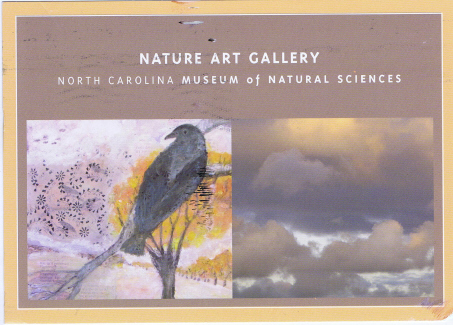
Lee Moore’s show:

Attracting Birds: Sounds and Skies,”  is part of an ongoing series that
partners bibliographic inspirations with the artist’s expressions of
personal bird encounters in collage paintings, photography and recordings.
This most recent rendition is a collection of visual poems about the bird
encounters in residential landscapes of two historic neighborhoods in
Raleigh and Durham.  Also included are soundscapes, skyscapes and
treescapes that create an environment for Attracting Birds. 

Lee’s show blog: http://www.leeattractingbirds.blogspot.com

As if these shows weren’t enough synergistic art for Triangle birds, Adam Peele has a show entitled Raleigh Is For The Birds at Design Box.

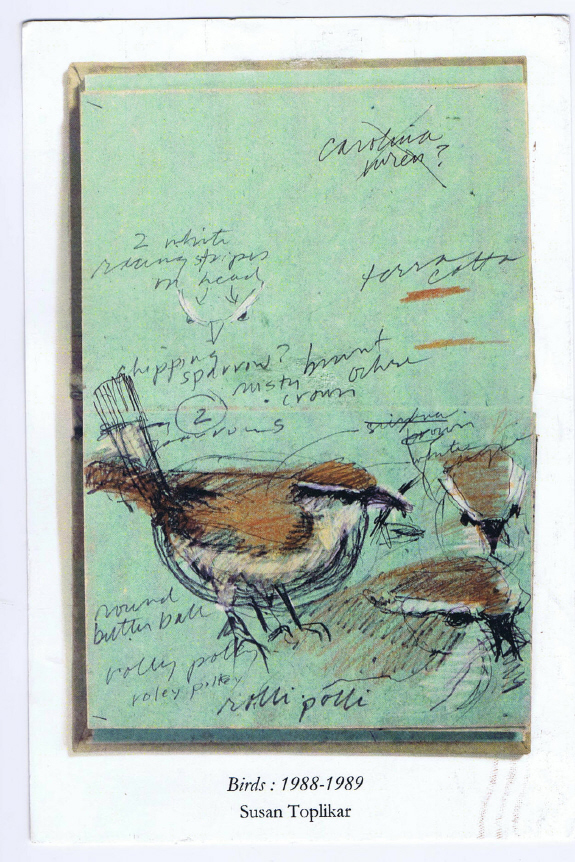
  I also have to add this lovely image from an older bird show – Susan Toplikar’s show in 2008, based on notebooks of bird sketches she created while medically homebound.  Birds have a presence that enters our lives: we take them for granted and yet we do observe and react to them, and they frame the audial background of our day in ways we hardly realize.  Do you hear birds?
December 30, 2010

Best Views, Best Intentions, 2010

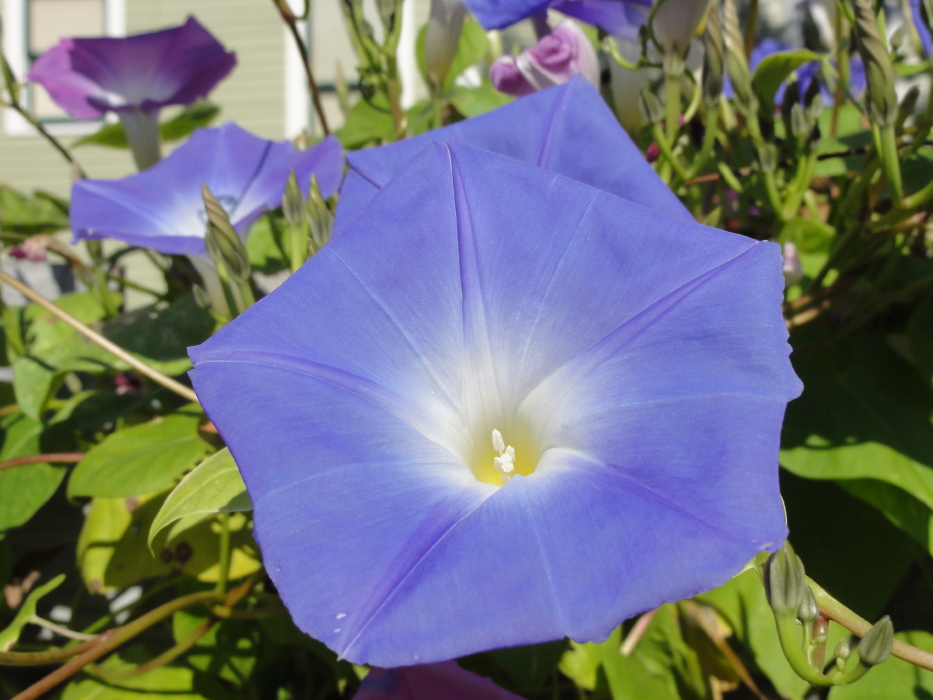
Glory in the Morning. all pictures by John Dancy-Jones
 All pictures click to enlarge

It has been a slow year at Raleigh Nature, squeezed by my Meniere’s Syndrome, classroom teaching, other online interests, and gardening.  Here are some nice images from 2010, some with notes on the separate posts I would  liked to have written with them.  Thanks for checking in and we’ll keep plugging.  Have a great one!

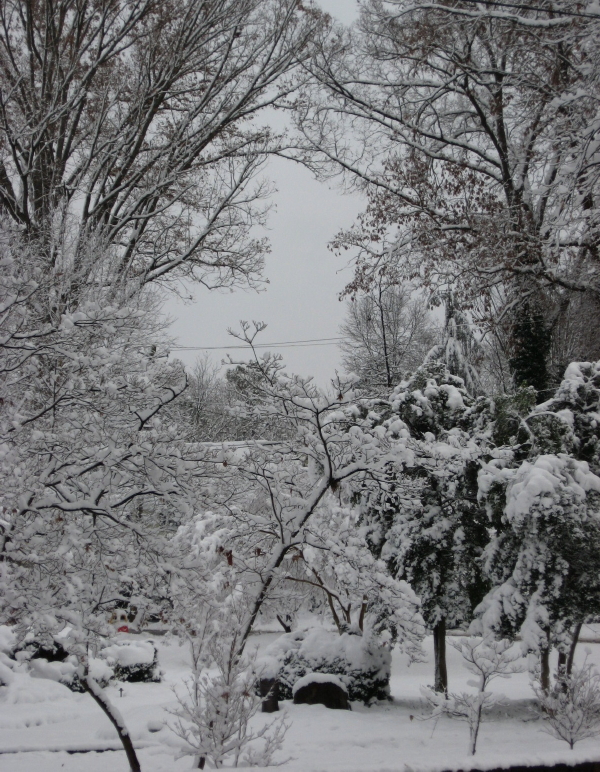
snowy trees on White Oak Road, December 2010

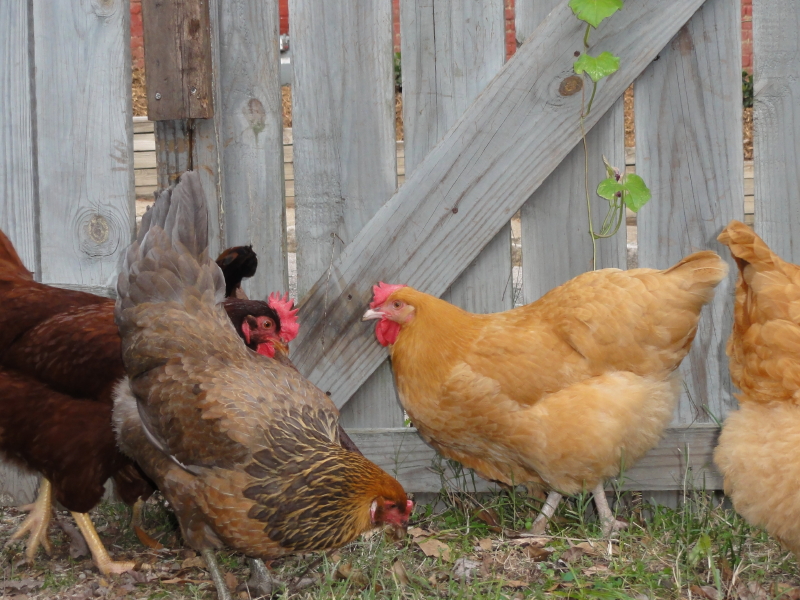
 The snowy holidays were great fun and a white Christmas seemed like an enticing treat from the Climate Change Coming. We are still working on raising food year round at the Person Street urban homestead and the chickens have been a spectacular success and my best excuse for not being out in Raleigh nature.

Esperanza, our combless Aracauna, with her friends, out for a stroll

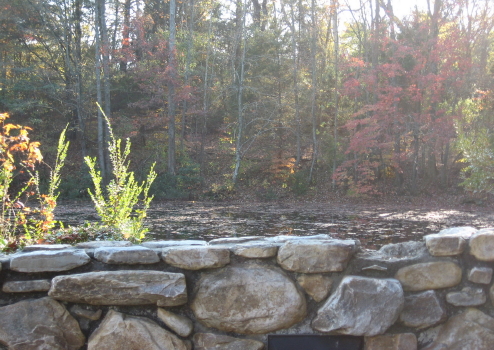
Fall pond at Oak View Park

I am truly grateful for Get To Know a Park, since I would rather concentrate on out of the way places, but there are still plenty of park rows to hoe.  Besides Oak View, there is a small new one on Honeycutt Road, and little gems like Hymettus Woods at Wade and Dixie.  One of my biggest regrets of 2010 is not getting over to the new section of greenway emerging by the beltline on House Creek, where I have been specifically invited by a reader (lo siento 😦 ) 

Fall colors at Oak View

boulders in Cemetery Branch at Brookside Drive

Cemetery Branch

 
Crabtree on east Buckeye Trail

There is always a lot of nature lore to explore, and 2010 was no exception.

woad blue mold after heavy rains

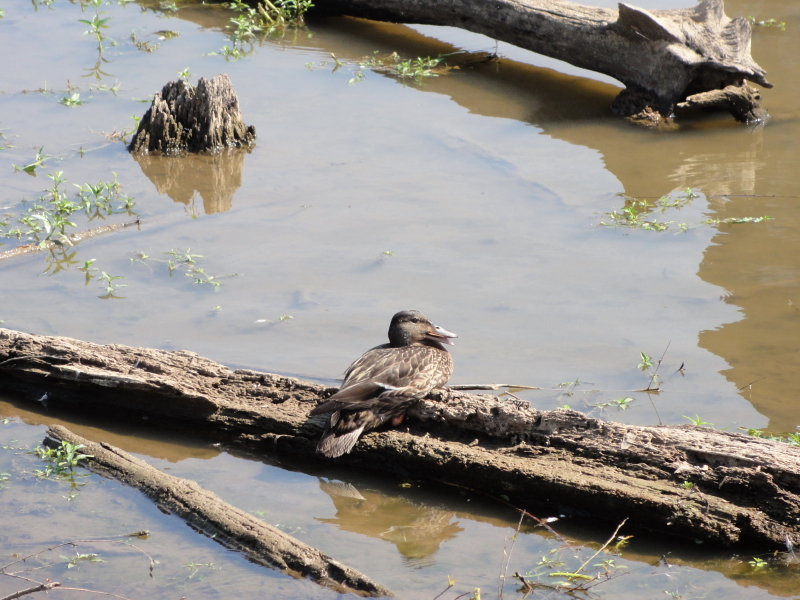
Raleigh Swamp mallard hen

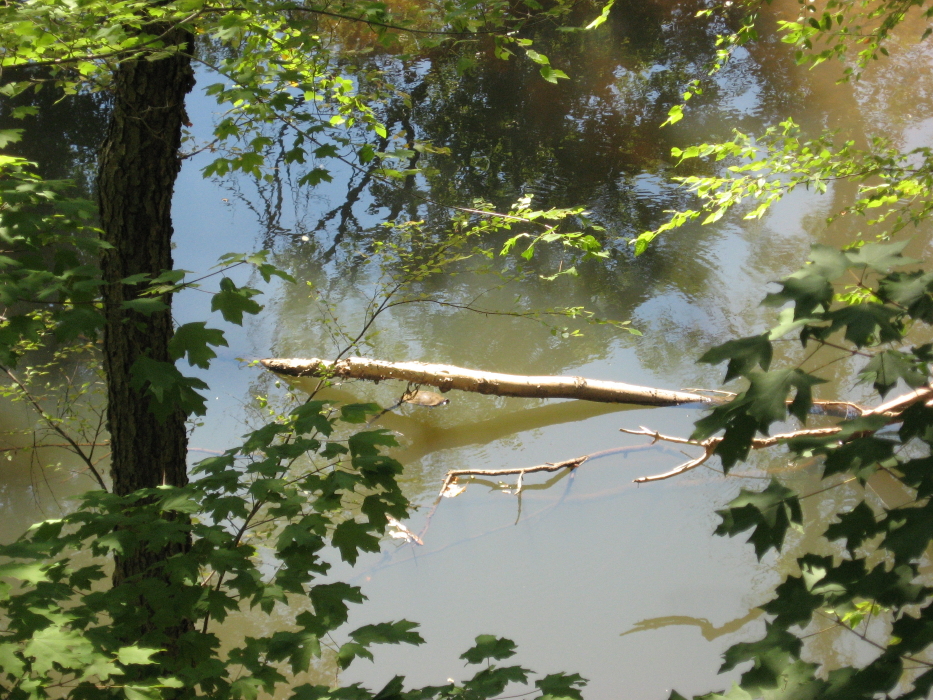
sunlit slider on Middle Crabtree

my TFA science classroom's pet box turtle


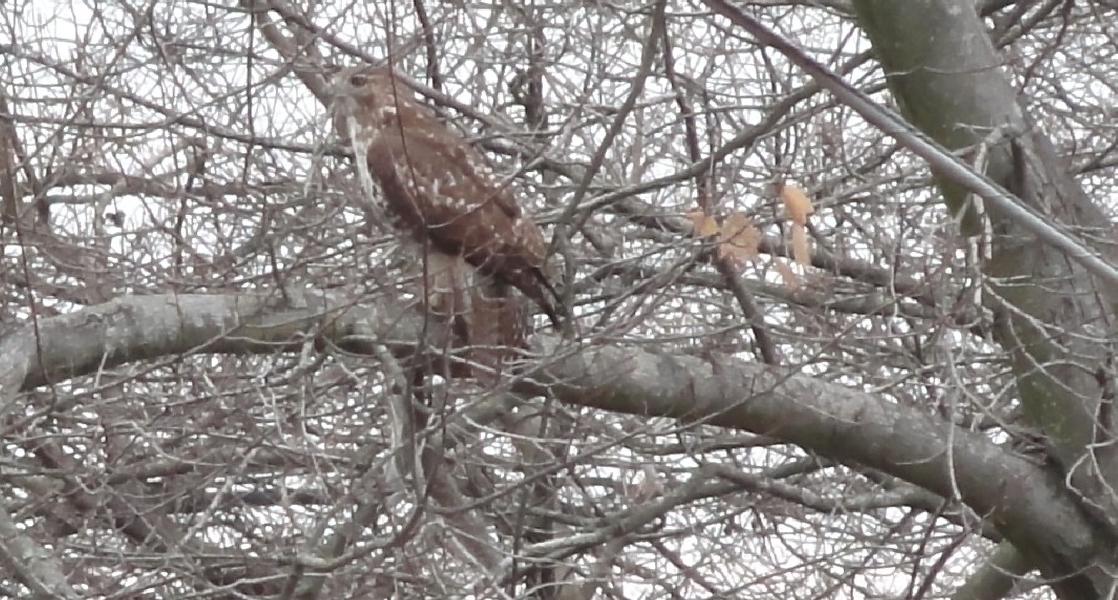
Oakwood hawk with a diappointingly invisible captured squirrel

biggest gall yet!

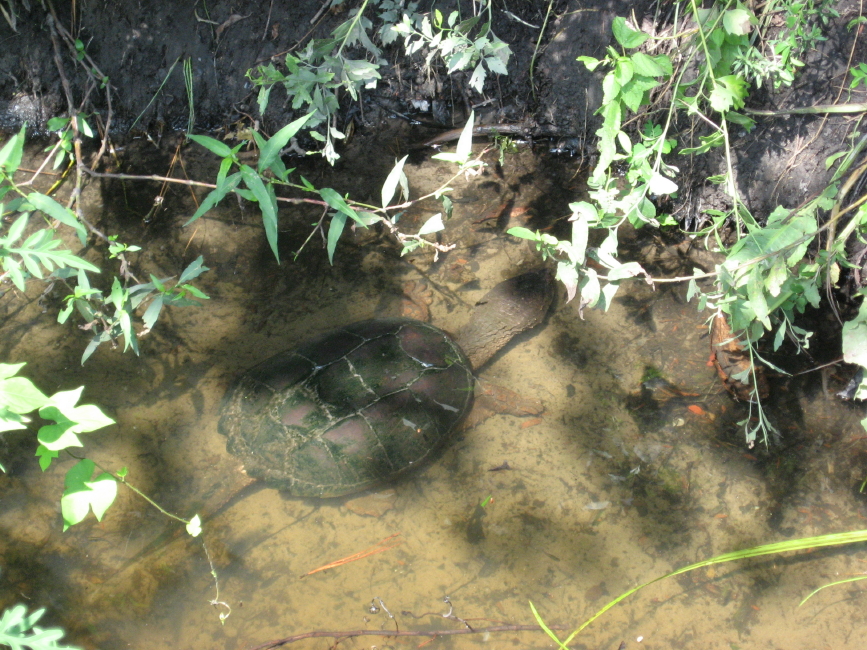
snapper in the Wilmington creek beside Dorian's apartment

There is a lot I would like to cover from my travels outside Raleigh as well. The Maine post went well, but my mountain traveling has been heavy, and there is always just sooo much to tell.

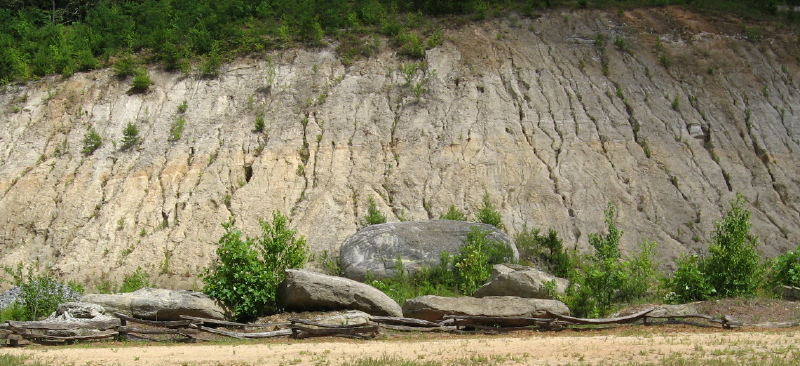
Boulders on 64 in western NC

rock sculpture at UNC-A's Botanical Garden

ballon from rest stop on 40

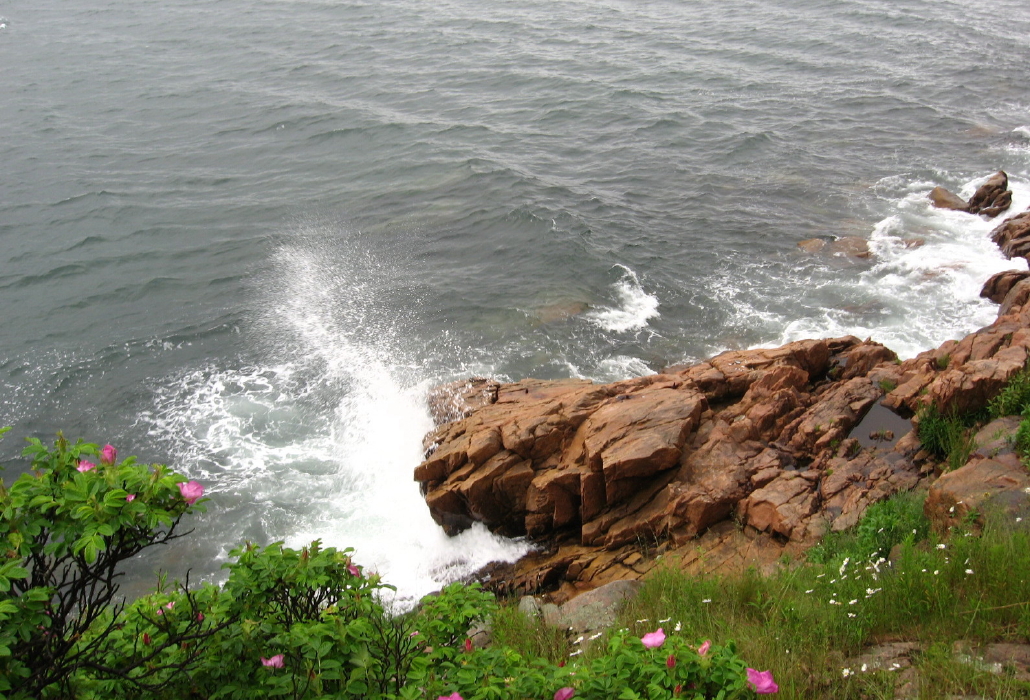
Bass Harbor, Maine

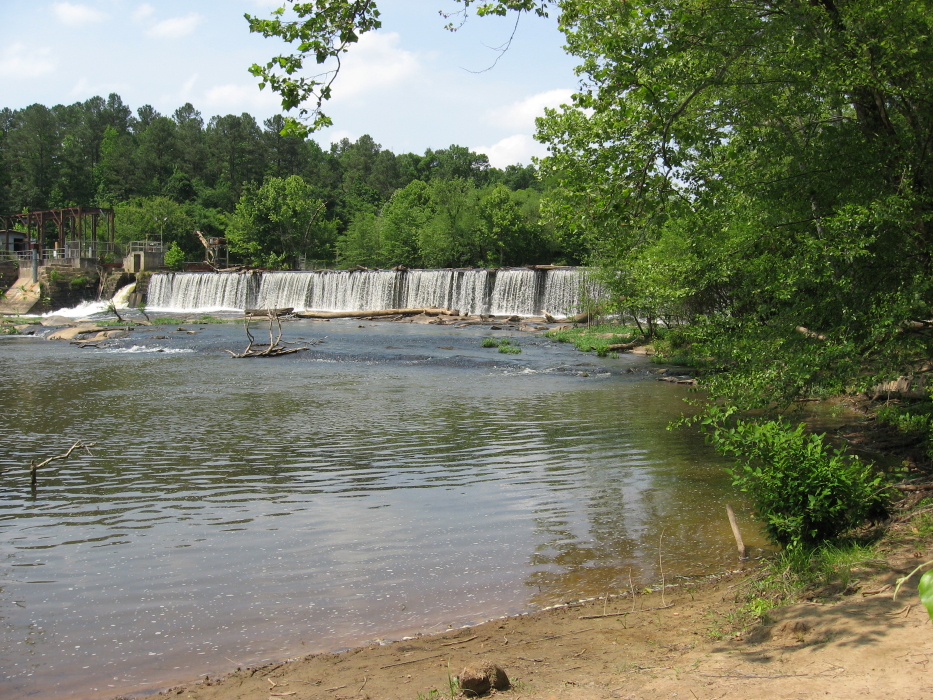
There are so many things happening with parks and green amenities in Raleigh.  I had hoped to write about the beginnings of the Neuse River trail, which starts at Fall Dam and eventually hits Anderson Point, the river’s intersection with Crabtree.  This wonderful, under-used park has been the source of many a stimulating walk and deserves multiple posts.  Halfway down that trail (where it joins the existing one) is Raleigh Beach and the Milburnie Dam, which is up for possible removal.  Now THIS topic I would have preferred to address at Raleigh Public Record, and I may yet (the project is on a back-burner currently).

Milburnie Dam

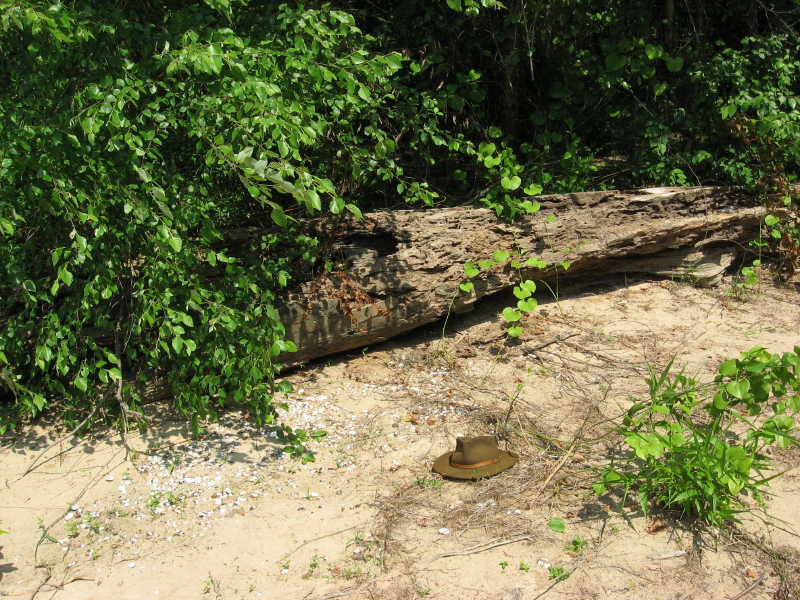
raccon midden at Milburnie Dam (hat for scale)

Happy New Year and here’s hoping again for an invasive species page, a record trees map and more straight street pieces in 2011 – and if we’re lucky, Marsh Creek Part II !           Love,  John

November 24, 2010

Oh, Canada Goose (Never Canadian)

Filed under: Nature Lore — raleighnaturalist @ 8:37 pm

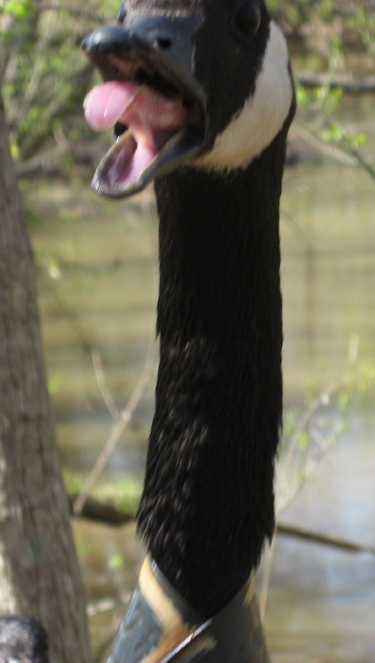
Branta canadensis (apparently with research collar?)

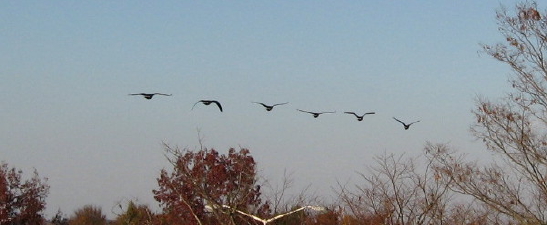
Canada Geese love Raleigh, but we’re not alone.  Over half a million of these birds inhabit the East Coast of the U.S., and their role as  nuisance  wildlife in urban and other developed areas is gaining increasing attention.  The first thing I learned in my research is that there are two separate populations of migrating and residential geese.  Below is the information.

bookletThree distinct populations of Canada geese can be found in North Carolina at various times of the year. Two groups are migratory and are found in North Carolina only during the fall and winter. The Atlantic population breeds in Northern Quebec and winters in the northeastern part of the state. The Southern James Bay population breeds in Ontario and can be found widely scattered in the upper coastal plain, piedmont, and foothills. Both migratory populations are declining in number. Conversely, our resident population is increasing and stays in North Carolina year round. Resident geese are found throughout the state with the largest numbers occurring in the piedmont and northeastern part of the state.

As  migratory waterfowl and powerful long distance fliers, Canada Geese are beautiful.To many a small child they are rude and aggressive long-necked monsters.  Myself, I’ve always thought they looked very much like excellent savings accounts for the post-apocalypse.    As the producers of one to three pounds of waste matter EACH, DAILY, they present a water pollution  issue. 

Here’s Scott Payne in NandO:

  Scott Payne, Raleigh’s recreation superintendent for operations, has done the math. He said an adult goose can produce between one and three pounds of droppings a day.

“You put that in a concentrated area — 20 to 30 in one location — you’ve got yourself a mess.”

So where do they all come from? The Humane Society has an interesting theory: that scientists saving the nearly extinct species raised in the 60’s a unique population that was born in captivity and acclimated to society – and its free lunch for geese.

Geese in our local waterways seem to fit in quite well and present scenic views of gosling-raising.  But in shopping centers, golf courses and suburban commons, they are an unwelcome intrusion from the natural world whose territory we inexorably diminish each year. (pertinent comment here)

Canada Geese on Crabtree

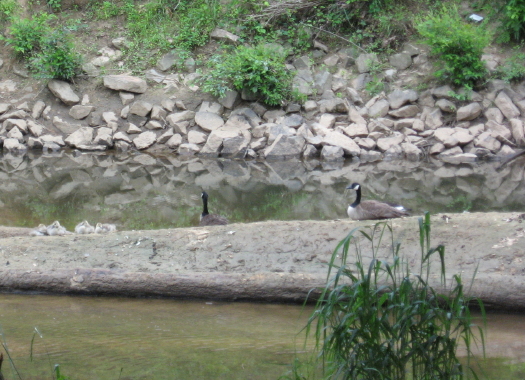
young goslings on Crabtree sandbar at Capital Boulevard

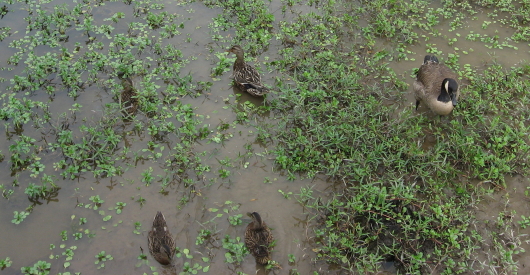
Learning to hunt at Raleigh Swamp

 In case you really want to find out more:

Goose Poop(loads pdf)

October 19, 2010

Plant a Tree!

Filed under: green initiatives, Nature Lore — Tags: — raleighnaturalist @ 1:17 am

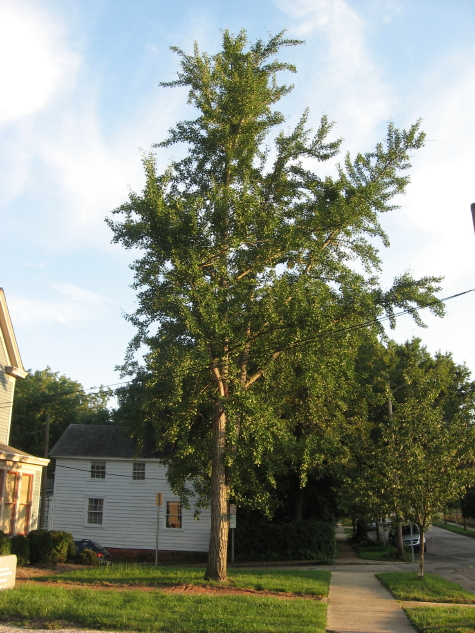
male gingko on N. Person Street

Trees Across Raleigh is conducting a new planting this weekend: Saturday October 23rd on Clarke Avenue between Horne and Brook.

Here is the link to volunteer.

Trees Across Raleigh, as the subtext of my sidebar link proclaims, has planted over 8,000 trees in Raleigh so far.  Please support them.

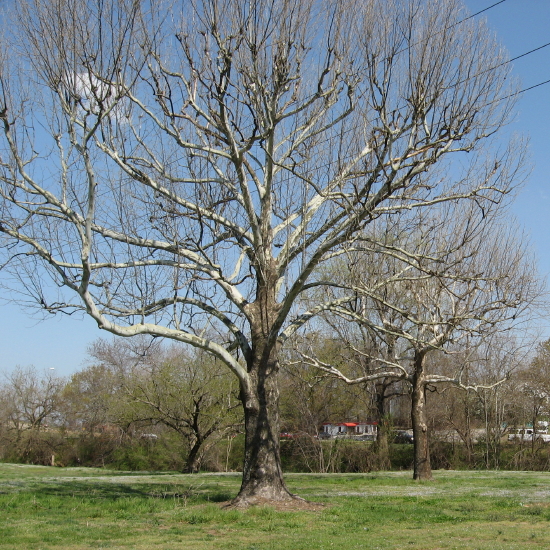
Someday, when my health and work allow me to catch up this blog, I will have a page of record trees, many of which are on Raleigh roadsides.  Have you ever noticed the monstrous sycamore in front of Pullen Lake on Western Boulevard?  Or the gigantic box elder (for a box elder) on East Martin Street, or the large stand of magnficent magnolias at the very bottom of St. Mary’s Street?  I will show them to you eventually, plus tell you about the slow demise of a state record water oak in Kiwanis Park.  Just give me time!

sycamores on Capital Boulevard at Piegeon House Branch


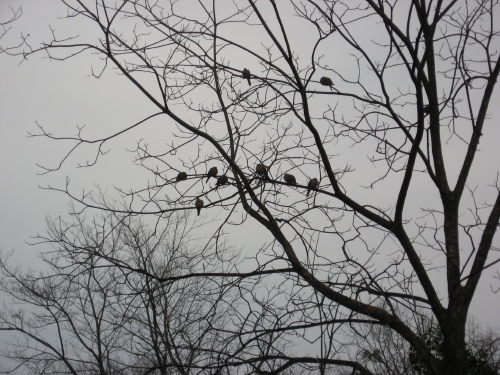
mourning doves in Oakwood

September 16, 2010

Mushroom Madness

Filed under: Central Raleigh, Nature Lore, North Raleigh — Tags: — raleighnaturalist @ 3:13 am

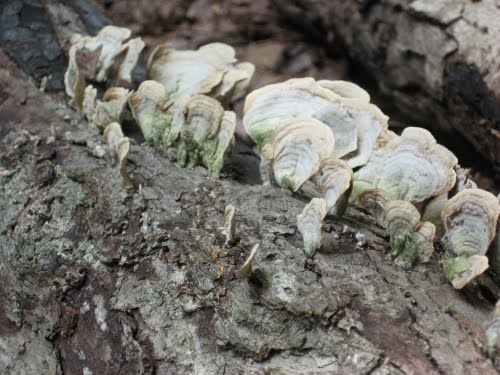
Heavy (though quite sporadic) rains have brought a veritable plethora of mushrooms this summer. Below is a taste – the whole set of them is over on the Natural History of Raleigh Photos.

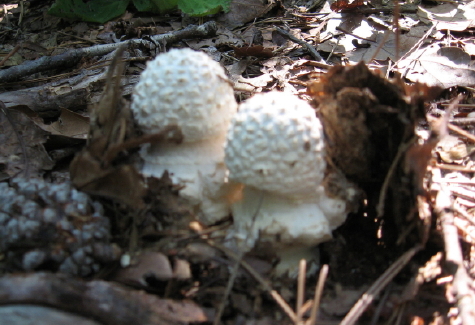
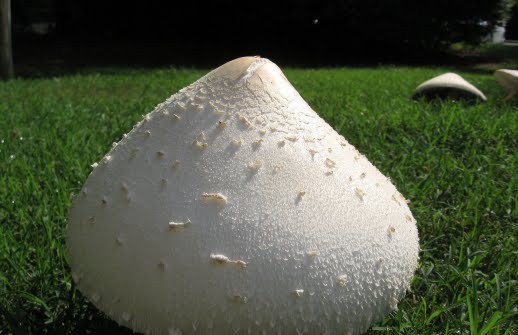
These twin babies, found in Cedar Hills Park, might get much bigger.  Check out the grapefruit sized monster below, which was part of a faerie ring at my school, The Fletcher Academy.

North Carolina’s Piedmont and Coastal Plain boasts over fifty species of mushrooms, according to the Duke Mycology page.  I would not begin to identify positively any of these, but they are fun to examine and track as they release their spores and decay.

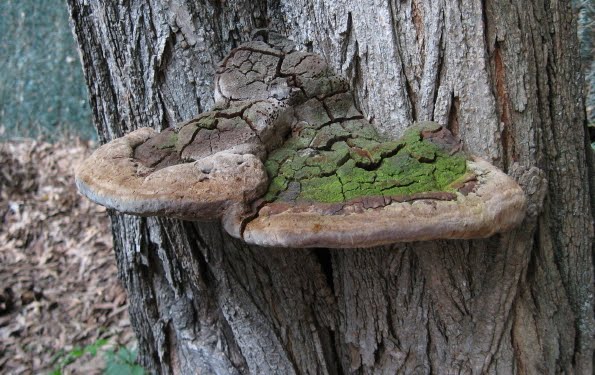
The shelf or turkey-tail mushrooms above are also from Cedar Hills Park, contiguous with the TFA campus and often visited by “Mr. DJ” and his students.  Below is an ancient, algae encrusted shelf mushroom from the other end of my life’s spectrum – the parking lot at Sadlacks!

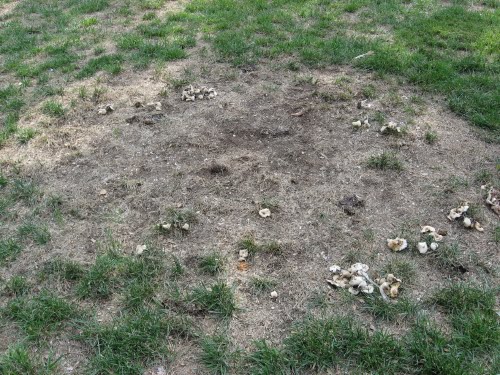
The faeries must have had a wild time in THIS circle.  Found in the Capitol Square in downtown Raleigh.  A reminder: mushrooms form these circles because the parent organism, consisting of thousands of intertwined undergound threads, has a central core and radiates outward in all directions.  The mushrooms we see are the spore-producing “fruits” of that organism.

Mushroom photo album

Duke photo site for NC Mushrooms

July 2008 Mushroom post

August 9, 2010

Marsh Creek Park – no relation to the creek!

My Google search hits revealed someone looking for Marsh Creek Park, and having featured the creek, I thought we should visit the recently expanded park on New Hope  Road.  The name of the park derives from Marsh Creek Road, which begins just across New Hope and goes straight down to Marsh Creek.  But New Hope Road is a ridge between the Crabtree and Neuse watersheds, and the waterways in the park itself- mostly out of sight without hiking – head north through a large woodlot visible from Southall Road toward the Neuse, just a mile distant.

All pictures click to enlarge

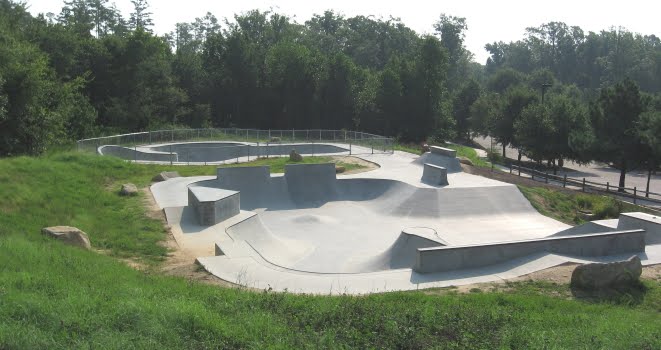
The hot new feature in the park is the skate park, which was featured in a several media articles and is quite popular.  The large recreational center is fairly nondescript, but was constructed with green principles, as described in detail (along with other park amenities) at Get To Know a Park.  Beside the center is a large Piedmont prairie, and the extensive parking areas are adjoined by interesting ecotone areas, though the stilt grass is spreading fast.  The terrain is typical of Piedmont farmland after 50-60 years – upland pines and chestnut oaks with a slope down to loblollies, shrubs, and water.


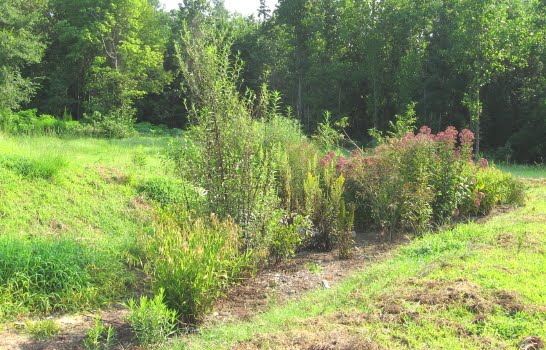
My favorite find at Marsh Creek Park was the rain garden just below the skate park, with a wonderful stand of Joe-Pye-weed, as seen below.  I’ve only seen this handsome plant in the mountains, but it is listed in the Piedmont.  Somebody did a great job with this rain garden.

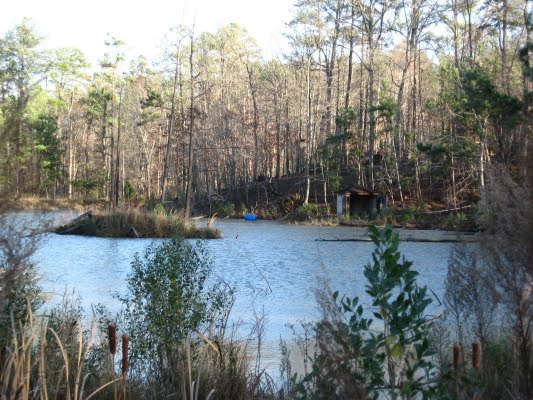
 To make the park’s name issue a little stranger, there is a really nice marshy area below the lower field, which leads to a very pretty old farm pond. It appears to have a fishing shack on the edge.  The expansion doubled the usable space of the park, but most of the acreage is still heavily wooded and ripe for exploring.  Overall, a versatile park with something for everyone.

photo album of Marsh Creek Park

Google map of Marsh Creek Park

*************************

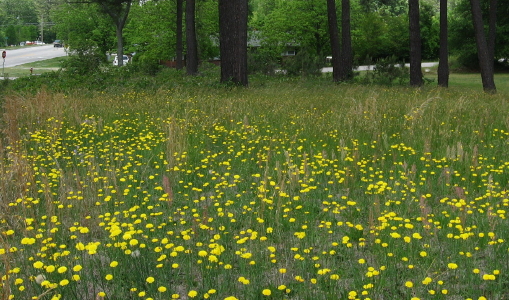
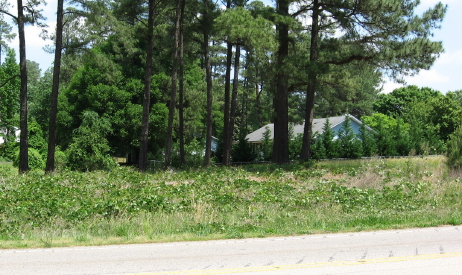
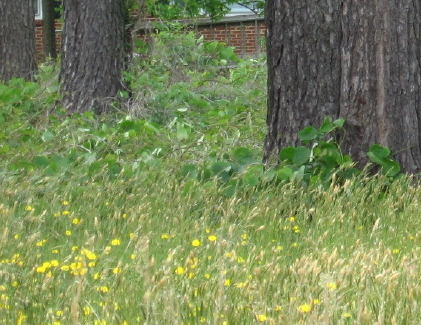
This section of Raleigh – the ridge of New Hope with the valley of the Neuse to the northeast and Marsh Creek’s drainage to the southwest – is of geologic interest because it is one of the transitions between the Piedmont and the Coastal Plain.  If you take Buffalo Road off New Hope, for example, you immediately start seeing sandy soils.  Just down the road from Marsh Creek Park, Skycrest Drive heads down to good old Raleigh Swamp.  Before it gets there, at the intersection with Trawick, you can find this meadow of wildflowers.  It is being sorely threatened by kudzu vines.  We will keep a closer eye on invasive species in our future nature travels.

The kudzu is right behind the dandelions.

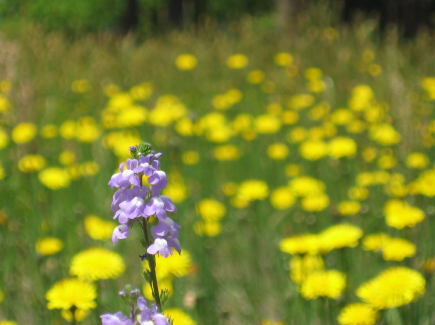
An impressive array of wildflowers fronts the dandelions by a slope.

These blackberry flowers are beside Skycrest. This was in May, but this summer I picked almost ten quarts of these things!  They are everywhere.

Kudzu making its way toward the wildflowers.

Kudzu go’ne eat us all!!

« Newer PostsOlder Posts »

Blog at WordPress.com.