
piece of Memorial Auditorium roof with damage visible right background
A tornado or series of tornadoes accompanied a quick moving spring storm on Saturday afternoon, April 16th and left a trail of death and destruction across Raleigh, mostly south and east of downtown. Farther north, pine trees crashed into a mobile home at Stonybrook off Brentwood Road and instantly killed three young boys. There were 21 fatalities across the state, and Shaw University closed down for the semester with widespread damage. Raleigh Public Record has a big portfolio of images, as does NandO, and WRAL has a gallery as well – but what I want to see is a track record of these powerful winds, which sheared off trees 50 yards from my house and caused widespread lasting damage. I hope to update this post with more meteorology info later. Below are my images – mainly of the venerable oaks toppled and pruned in City Cemetery and elsewhere downtown.

closer look at Memorial Auditorium damage
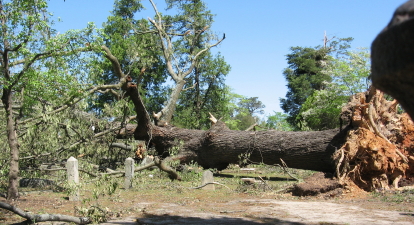
City Cemetery at New Bern and East Street

- cropped cedar in City Cemetery
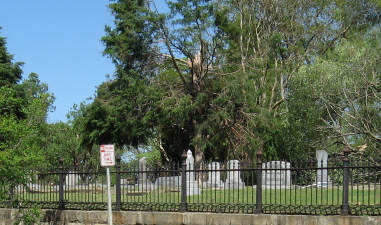

The entrance to City Cemetery on New Bern Avenue. A comment on Goodnight Raleigh’s photos mentiones the extensive damage from here to Tarboro Road. Clearly the damage was overwhelming and Sunday morning it was amazing to see unattended damage, unpoliced intersections with no stoplights, and downed lines with no crews in sight. I fully realize they had their hands full elsewhere.
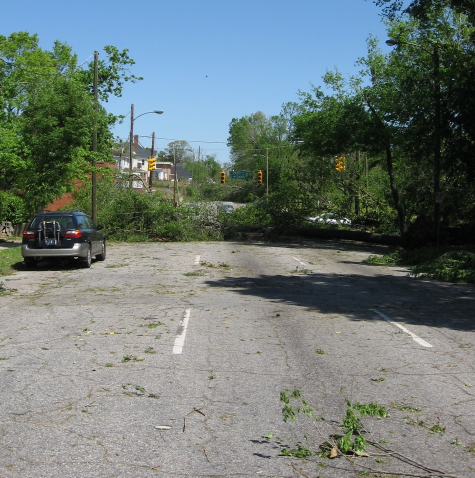
New Bern Avenue closed by tornado damage
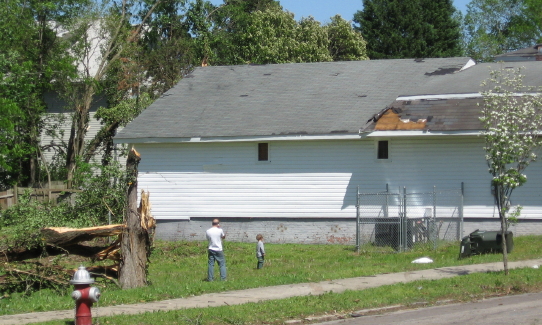
New Bern avenue family surveys damage

Martin and East Street downtown

South East Street after tornado
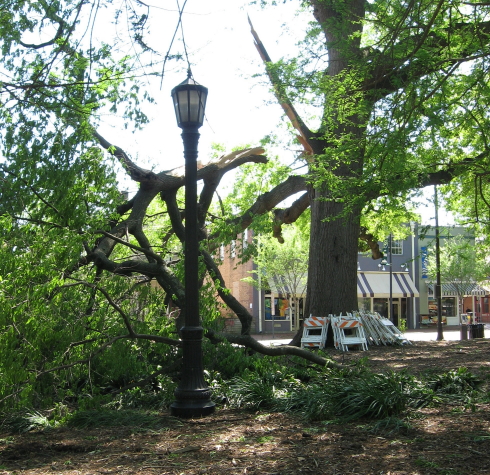
damage at corner of Moore Square

touring the tornado damage Sunday April 17
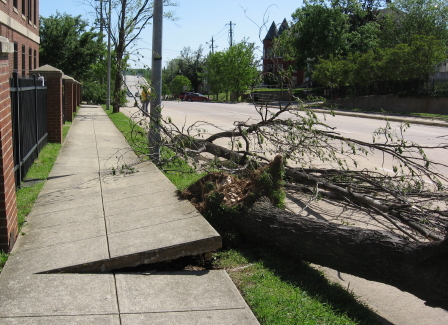
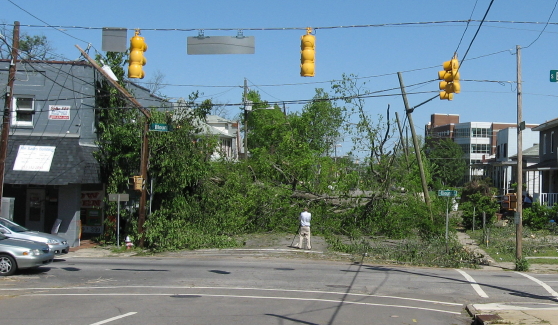
Blount and South Street after 4-16-11 tornado
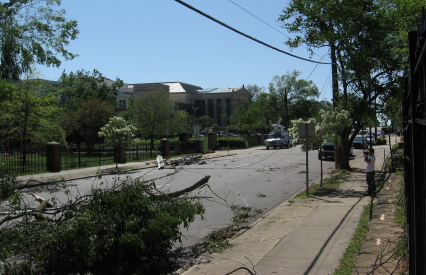
damage at Shaw and Memorial Auditorium
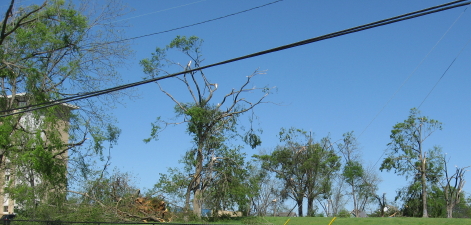
cropped trees in Shaw's practice field
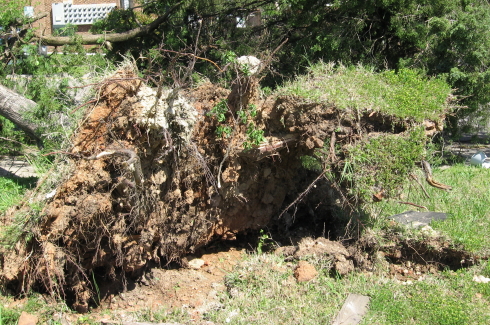
uplifted turf in southeast downtown Raleigh
I have another whole set of pictures from the Maywood Street area between S. Saunders and Lake Wheeler Road. I’ll post them soon with updates on the scientific measure of this storm, which may have generated as many as 8 tornadoes, some at least F3 in scale. Hope you all are well!











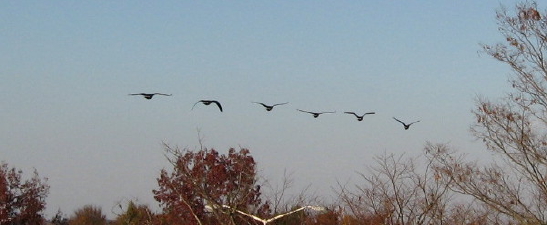
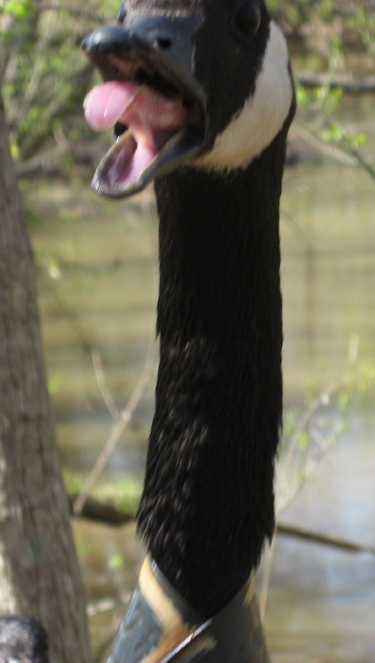
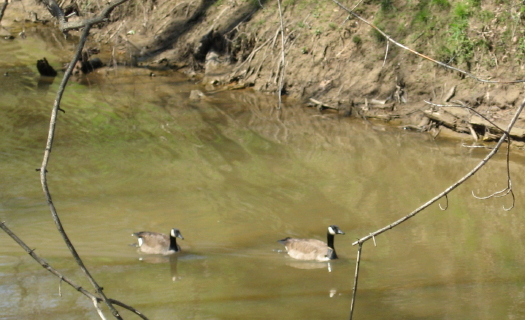
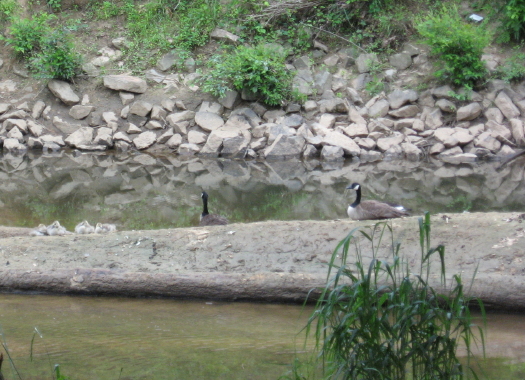
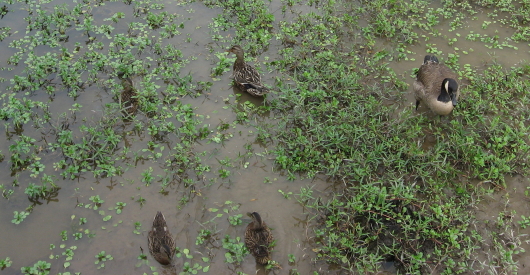
 Three distinct populations of Canada geese can be found in North Carolina at various times of the year. Two groups are migratory and are found in North Carolina only during the fall and winter. The Atlantic population breeds in Northern Quebec and winters in the northeastern part of the state. The Southern James Bay population breeds in Ontario and can be found widely scattered in the upper coastal plain, piedmont, and foothills. Both migratory populations are declining in number. Conversely, our resident population is increasing and stays in North Carolina year round. Resident geese are found throughout the state with the largest numbers occurring in the piedmont and northeastern part of the state.




 raleighnaturalist
 The Raleigh Naturalist