The Raleigh Naturalist

September 8, 2008

Crabtree Creek Floods The Middle Creek Greenway

Filed under: Central Raleigh, Crabtree Creek, Greenways & Parks — Tags: , , — raleighnaturalist @ 12:44 am

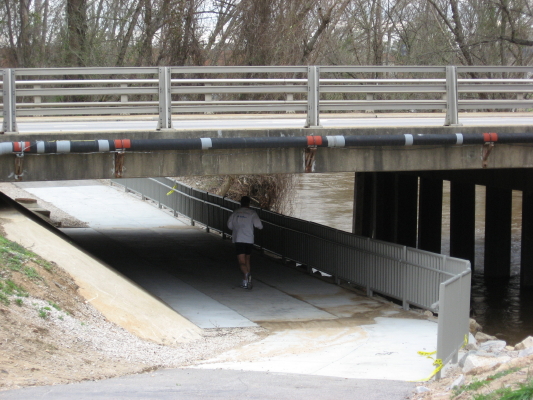
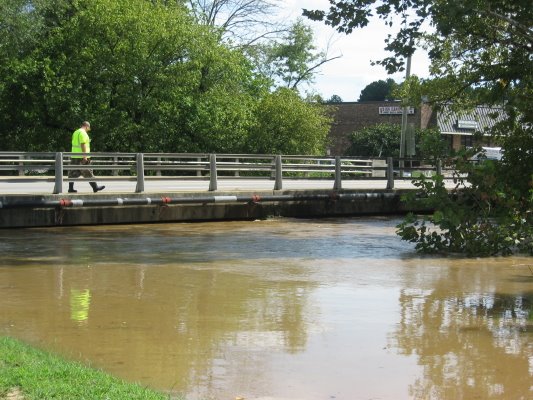
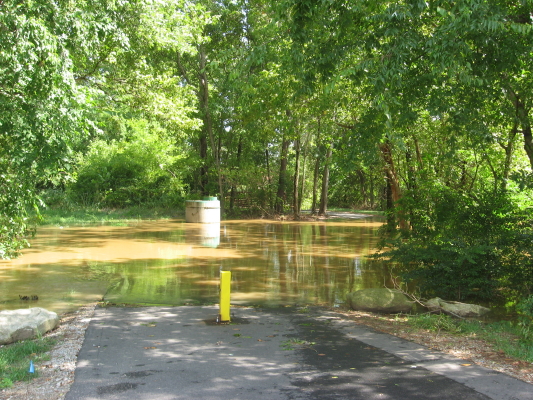
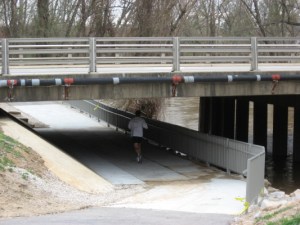
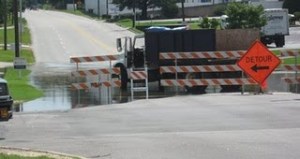
     After Tropical Storm Hannah came through on Saturday, September 6, 2008, Crabtree Creek flooded the intersection of Hodges Road and Atlantic Avenue and also several sections of the Middle Creek portion of the Raleigh greenway.


above is the greenway underpass below Atlantic Ave.  Below is the same view 9/6/08.

This is the first time the greenway has flooded since October 2007 by my count.

creek levels post on Pecans & Mistletoe

photo album of Crabtree flooding after Hannah


September 3, 2008

Fletcher Park water feeds Pigeon House Creek

Filed under: Central Raleigh, green initiatives, Greenways & Parks — Tags: , , , — raleighnaturalist @ 10:10 pm

There is not a lot to update on the earlier post about Fletcher Park’s new water park, which remains in a distinctly unlovely stage of construction, but this project is interesting from several angles and seems worth another look.  The large cavities being excavated from the red clay are designed to hold the water headed down to Pigeon House Creek, which is the long-suffering waterway that parallels Capital Boulevard as it flows north toward its intersection with Crabtree Creek at Raleigh Swamp.  What look like huge pits will allow the water to deposit sediment and be filtered by plant activity before flowing on down the hill.

      A nice description of the benefits, which include hopes for “A new ecosystem for this area of the park [with] butterflies, dragonflies, and frogs, among other animal species,  ”  can be found at The Raleigh Connoiseur.  But that post was in May, and the plan was for the water garden to be finished soon after.  But there it sits.  The upper pool shown below will cascade or slide down to the larger lower pool.

      This site was a Methodist orphanage, built in 1900 and still operating well into my lifetime.  The City purchased the property in 1982 and named the park for A.J. Fletcher’s recreation-loving son.  Fred Fletcher was inducted into the Raleigh Hall of Fame in 2007.

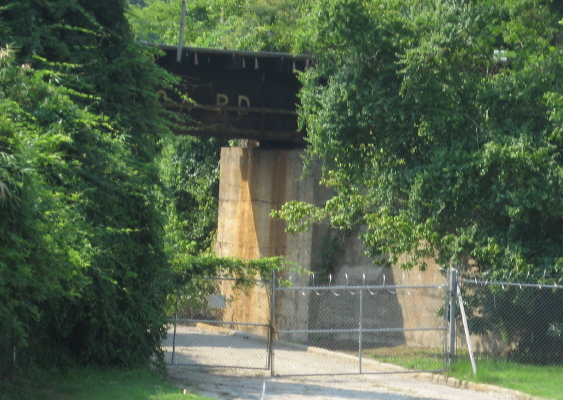
     The outlet seen above is the water’s exit toward Pigeon House Creek.  From this point the water dives underground and is piped under the railroad line and across N. West Street.  I cannot find a spot to view that intersection yet.  Below is a  picture of Pigeon House Branch just downstream.  We will follow it’s grim journey down Capital sometime soon.

Fletcher Park and Pigeon House Creek photo album

August 13, 2008

Ward Transformers – Crime Never Stops Hurting

Filed under: Crabtree Creek, Gems & Surprises, green initiatives — Tags: , , , , — raleighnaturalist @ 2:09 pm

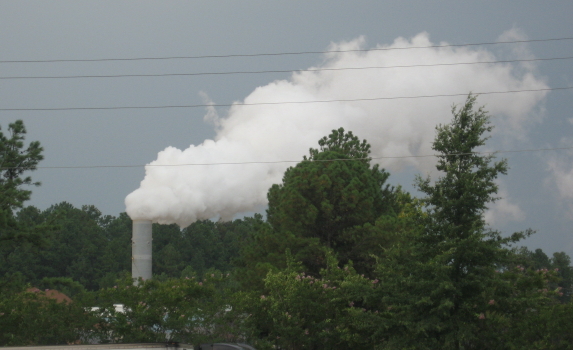
     A recent N&O story reminds us of the reason for these signs, posted all along the Crabtree system:  our city’s water system is tainted by PCBs (polychlorinated biphenyls), a toxic chemical released over many years by the actions of Ward Transformers, a company whose name is etched in the annals of NC corporate crimes, a company STILL OPERATING next to the Superfund site next to RDU airport, where its buried load of poisons is slowly being incinerated through the process pictured below.

Ward Transformer site

Ward Transformer site

Ward Transformers has a long history of environmental crimes in North Carolina.  Long before the discovery that it’s open burning of materials on site to recover copper had applied PCBs to the soil surrounding its plant, Ward Transformers and its contractor, Robert Burns, were found guilty of dumping PCB-laced waste along miles of rural NC highways, using a specially designed dumping apparatus constructed at Ward Transformers.  Burns and “Buck” Ward spent some time in jail, but at some point the EPA or someone in government realized that a bankrupt company couldn’t help pay clean-up costs, so Ward Transformers was left in business.  The state of North Carolina had to scrape up the roadside deposits and figure out what to do with them – leading to a separate whole nightmare with the landfill in Warren County.

That was way back in 1978.  The next year, EPA tests show contamination in the soil around the plant itself.  In 1993, preliminary Superfund action was undertaken and in 2002 it was declared a Superfund site.  Yet much local outcry and promotion took place before clean-up work was begun.  Now, according to the newspaper report, the work is being done, and in a safe manner. Yet concerns remain about the process, as well described in this post at Raleigh Eco News.  I went out to look at the site.  The EPA’s clean-up incinerator really puts out a huge stream of white smoke – apparently almost all water vapor.

     Thank you for listening to my rant.  It just drives me crazy that ole Buck Ward spent a few months in jail and now his company rolls merrily along, though I presume they send a hefty check to the EPA each month.  We will never fully recover from these actions in my lifetime.  And we will never figure out the “best” way to punish such transgressors – justice and reparation are both so tough to achieve.


25th anniversary of PCB Landfill protests

*************

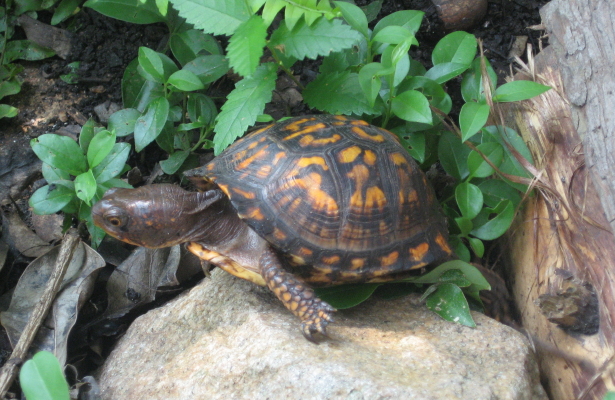
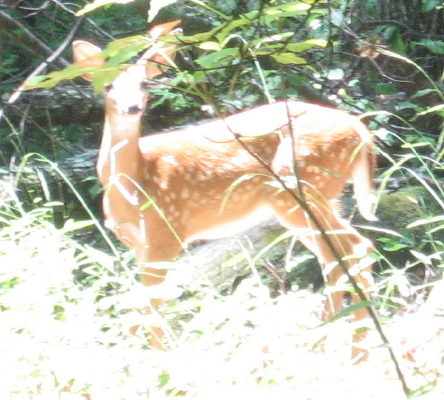
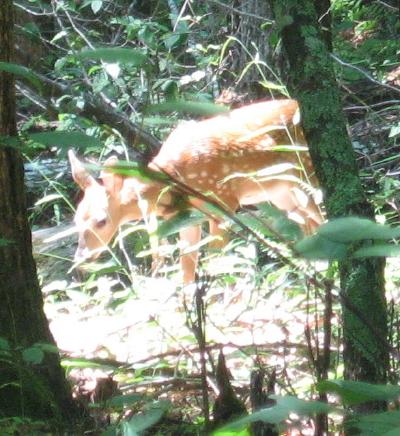
As a balance to the above, please enjoy a juvenile box turtle living in our garden and a fawn Cara and I saw on a trip last weekend.

July 31, 2008

White Squirrels and the Brevard fault: PFI rules!!

Filed under: Exotica, Gems & Surprises, Nature Lore — Tags: , , , , , , — raleighnaturalist @ 7:54 pm


    Teachers in the woods!  Climbing rocks and jumpin’ in waterfalls! That’s what I call a workshop! For 5 very full days, two dozen educators traveled the Land of Waterfalls, centered around the Brevard fault, seeing some amazing geology, flora, and fauna with the staff of, and presenters for, the Pisgah Forest Institute.  We got treated like teacher queens for a day (okay, one other guy besides me as kings in this group of elementary school teachers).  We got free stuff, wonderful information and some great hikes.

teachers in the Little River!

teachers in the Little River!

   The Pisgah Forest Institute is an initiative of Brevard College – a beautiful campus that is ancient as a 2 year college but only 14 years old as a 4 year.  PFI focuses on “the earth and environmental science needs educators encounter in their classrooms. ”  The workshops are funded partly through grants from the USDA Forest Service.  This part of the mountains receives more annual rainfall than anywhere in the continental U.S. except for the Northwest temperate rain forests (or would if there weren’t a severe drought).  There is a unique feel to the wilderness areas and even more so to the farmland, it seemed to me this trip.  Rich, well cultivated fields and not so much the hard scrabble feel you see (disappearing) in the northern section of our mountains.

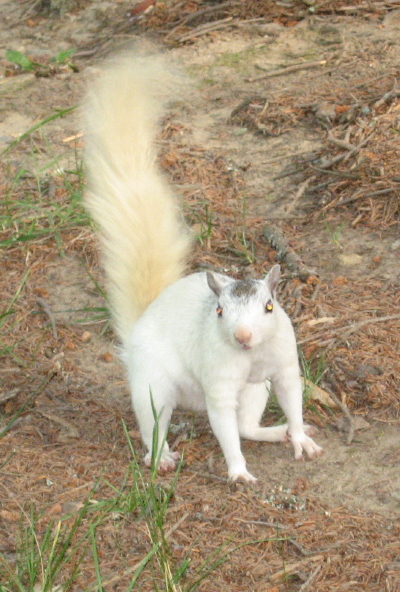
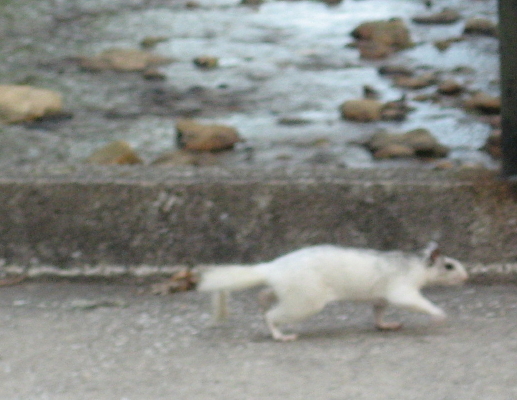
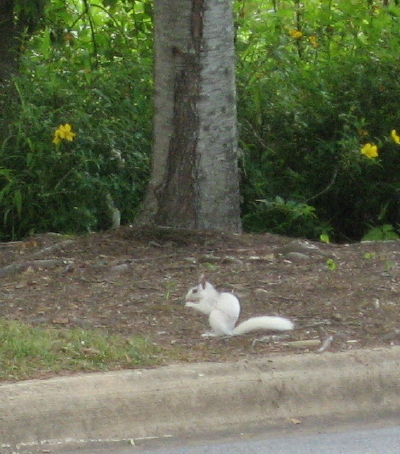
     The town of Brevard hosts a Music Center, has a nice college/tourist shop and bar scene, and is famous for – did I mention them?, – the white squirrels.  These little guys just blew me away, and set me off on an extended online chase to research white squirrels.  There was a lot to find. The local history traces their origin to an overturned carnival truck in 1949.  There is a research institute devoted to them, a White Squirrel Festival each year in Brevard, and of course a White Squirrel Lover’s blog.  The very best picture I found online is on a realty site, and clearly the white squirrel is a promotion bonanza for the town of Brevard, though their claim to fame is not without controversy (other “homes of the white squirrel”).

on the move

on the move

White Squirrel Photo Album

     The PFI would educate and inform us and then take us on a related field trip.  We made 3 major expeditions: Holmes Educational State Forest, Caeser’s Head State Park, and a new amenity, Dupont State Park, which contains several spectacular waterfalls.  We also conducted a stream activity at the trout hatchery on the Davidson River. Each place offered valuable lessons and experiences.  At Holmes, which is open to the public, we practiced tree i.d. and took the “talking tree” walk.  Caeser’s Head offered spectacular views of the Piedmont vista as seen from the edge of the Blue Ridge system.  So many wonderful pictures – I offer an album at the end of the post, and many of the following text images are linked to a picture.

     The park gots its name from a head-shaped rock that protrudes from the highest viewpoint.  Across the chasm, you see Tablerock Mountain, a monolith of intruded younger rock whose side is painted by the staining action of rainwater.

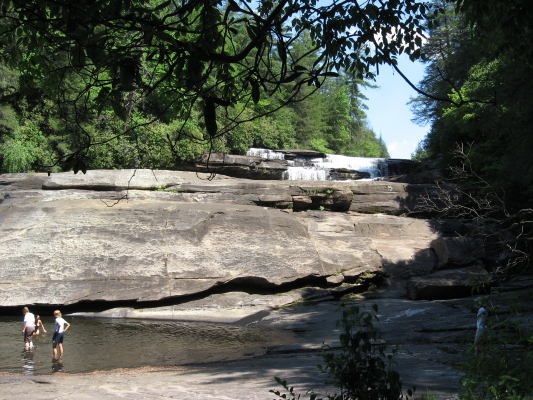
      Dupont, after a decent hike, offered beautiful waterfall views, including some used in The Last of the Mohicans.  Here the Brevard Fault is in full view, fracturing and pushing til some of the huge blocks become square tree planters.  The Little River winds its way down the rock cascades, though it was quite low the day my pictures were taken.

  The young lady below is leaping from Hooker Falls, another fault-block structure in the park.  We learned some background geology at Caeser’s Head and then put it into action at Dupont, locating the folded layers in a piece of gneiss that represent eons of slow bending pressure.

     Kevin, program director for PFI, holds a northern water snake from the Davidson River.  We measured stream quality parameters and took a tour of the trout hatchery, which attracts vultures from miles around.  Back at the Brevard campus, we saw a stream rehabilitation process and surveyed native as well as invasive plant species on campus.  Below is a picture of hemlock infested with wooly adelgid (the small white spots).  Just one of the many ecological challenges faced in the Southern Appalachian mountains.  Thanks, PFI, for such a great trip and for helping me learn so much! 

PFI Brevard Fault Photo Tour


July 22, 2008

The Domain of Mushrooms – raleighnature.com

Filed under: About & reflection, Nature Lore — Tags: , — raleighnaturalist @ 12:33 am

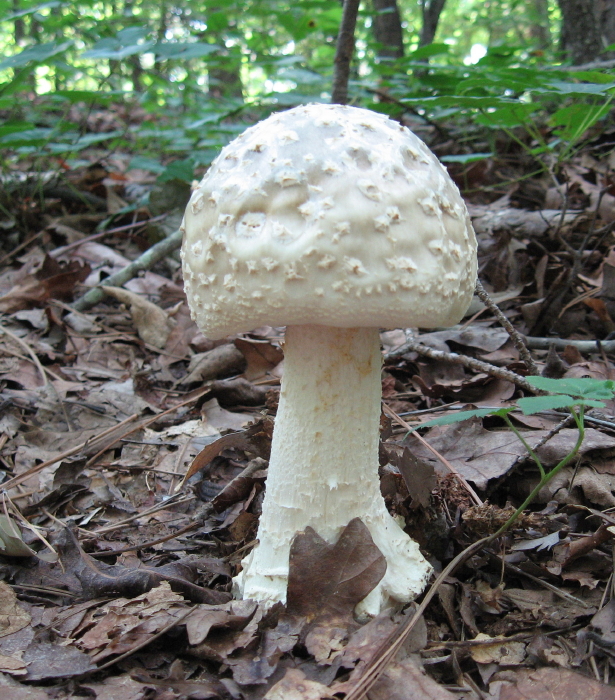
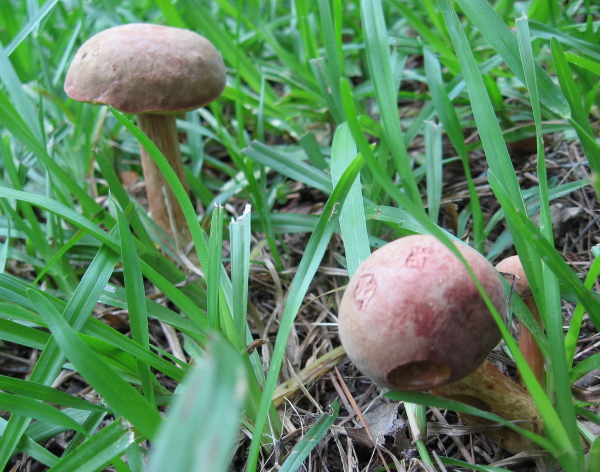
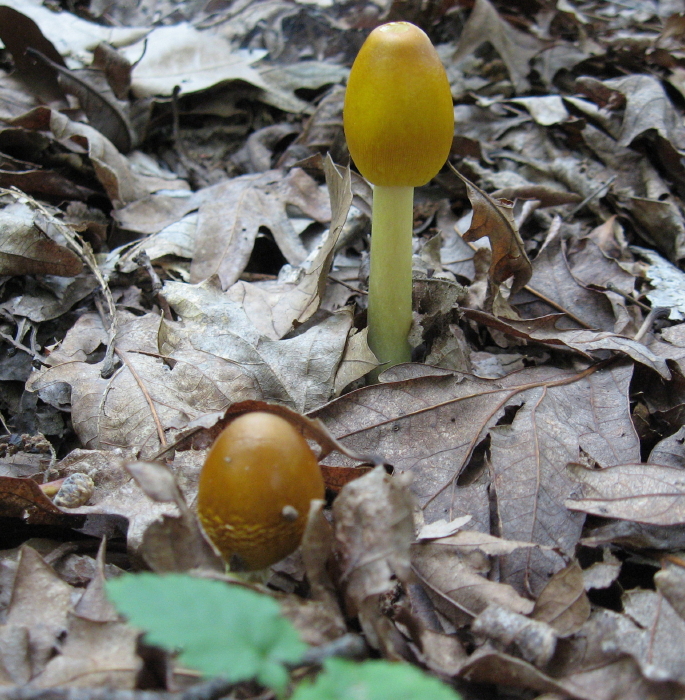
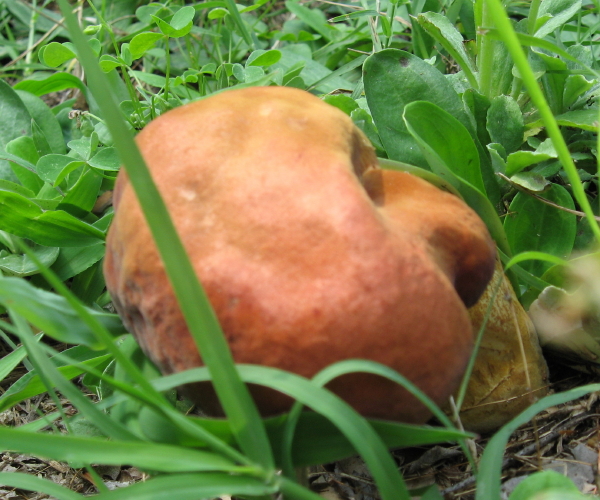
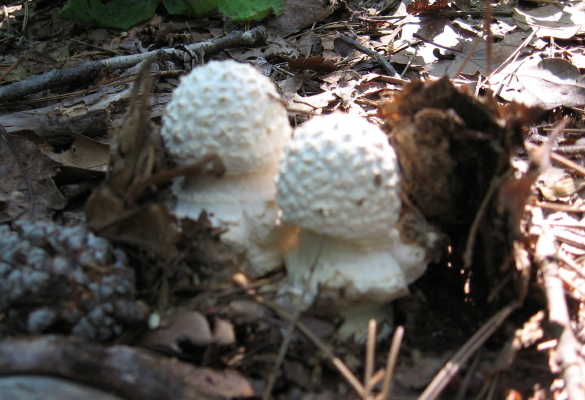
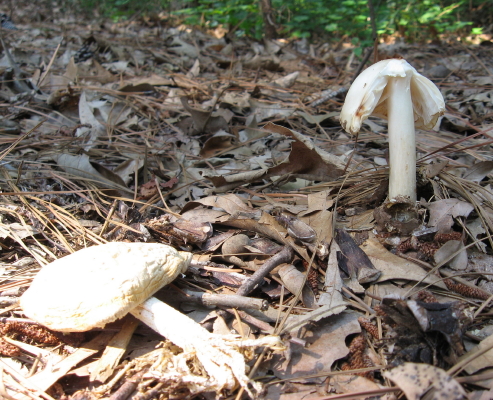
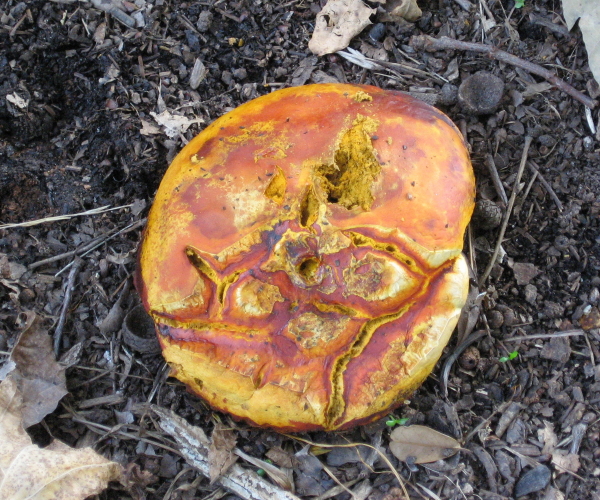
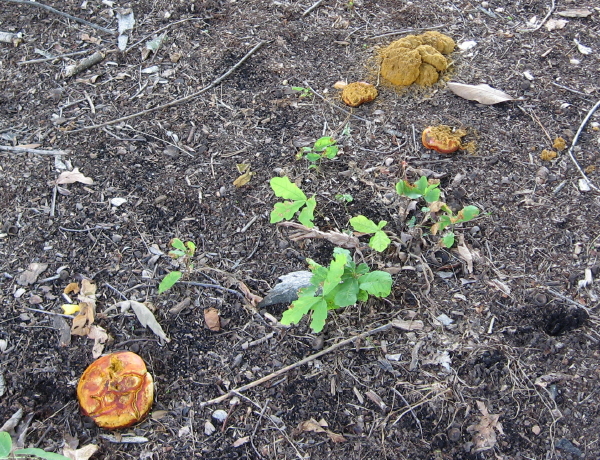
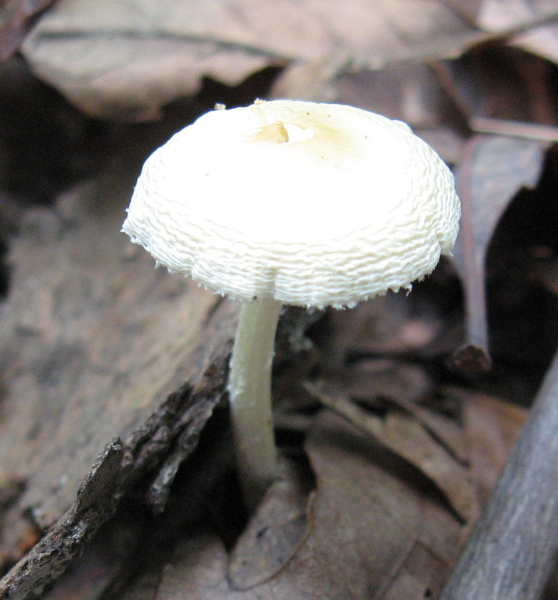
     We have had plentiful rain, in the short run, at least, and when I saw a couple of mushrooms in a row I decided to go on a mushroom walk.  Not much to say:  I am blogging from the library on a timeclock and I don’t know anything about mushroom i.d.  Here they are and we’ll sort them out later.  But what a variety!  And what change in any one over time….now I’ve had time to look at my National Audubon Society Field Guide to North American Mushrooms – and I’m not about to tell you a positive i.d. on any mushroom!  Don’t eat any of them!!  Unless you are an expert or with an expert.  I will try some if T.P. or Katie and Russ have some to share, but I sure don’t trust my judgment.   Fun to watch, though.  And remind yourself the mushrooms we see are just the fruiting body (spore producer) of the fungus organism –  a whole network of tiny filaments in the ground or, more likely, in the dead plant material, especially wood.

Mushrooms are in the kingdom of Fungi in the domain of Eukarya.

NEWS: This blog is now published at the domain www.raleighnature.com and has moved from it’s old site.  If you have the old netweed/raleighnature url as a favorite or on your blogroll, I would greatly appreciate you updating it.


***********************************


***************************


*******************************


************************* 

These pictures were taken at Cedar Hills Park and Fred Fletcher Park.

 August mountain trip with lots of shrooms!

Sept. 2010 Mushroom Madness post

July 15, 2008

From Hwy 50 Horses to Gresham Lake’s Paul Bunyan: Person Street


Straight Streets: nature drives with a Raleigh road theme

     With some finessing, but no turns, you can drive a thoroughfare through Raleigh from Highway 50 in Garner, straight north through the heart of downtown, out to Gresham’s Lake at Capital and 540.  The middle of this 15 mile stretch is called Person Street, and when I was a kid my Dad told me this:

   Son, this piece of asphalt you’re looking at goes from Florida to Maine.  It’s part of one of the country’s great highways – and one of the first.  Indians may have used this path before Columbus came.  This is business US 1.

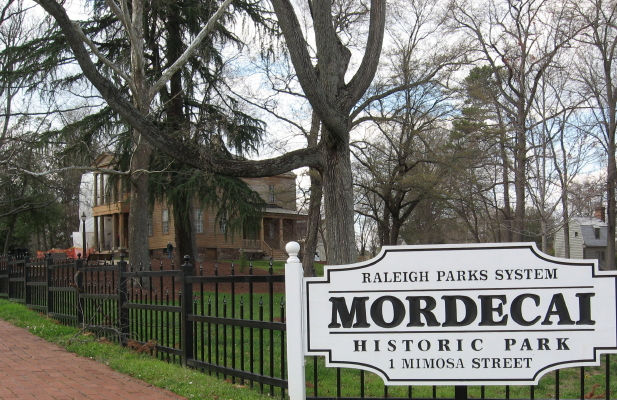
 Person Street was a big part of my childhood, and now I live on it.  It is the address of the church in which I grew up, Tabernacle Baptist, the Krispy Kreme, a beloved landmark long before they went public, and the Mordecai House, a genuine bridge to another time.  It has been made one way now, so we can count Blount Street as its southbound lane.  It has been extended to the north as Atlantic Avenue, which we will follow out.  But it also has been cut off from its old extension, Wake Forest Road, as seen above, and yet this all intertwines in interesting ways in north Raleigh.

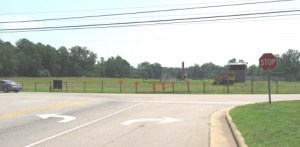
        

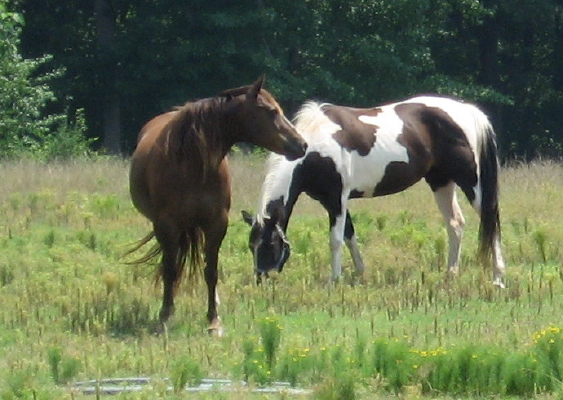
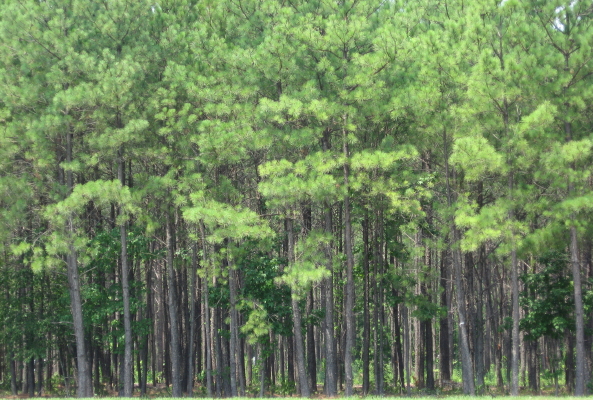
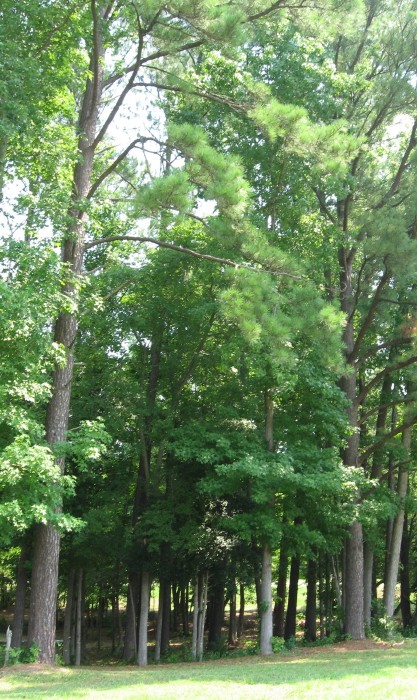
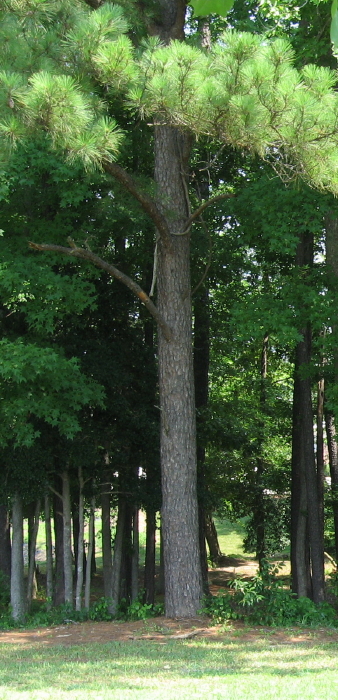
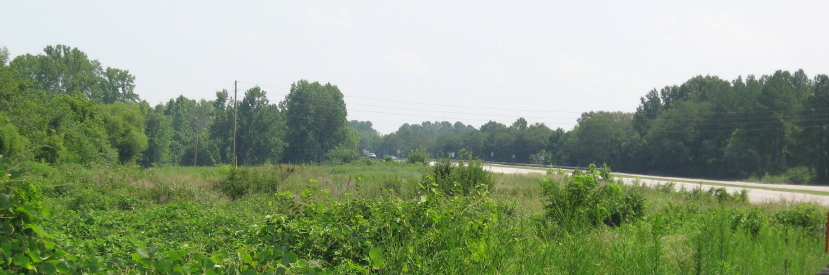
      Let’s start at the farthest extensions southward: Person becomes Hammond, which becomes Timber Drive at 70.  Timber crosses 70 and curves under  the south edge of Garner,ending in a horse pasture just past 50.  Reverse your direction, and you are looking at 3 miles of new suburban projects and shopping centers.  The funny thing is, it all exists in what is recognizably old farm fields with mature trees in the lowlands and various stages of pine plantation everywhere else.  There are loblollies everywhere!

                         
      young pine stand –        juvenile loblollies    –    thinned adults    –    mature stand with crowd
please remember to click and enlarge 

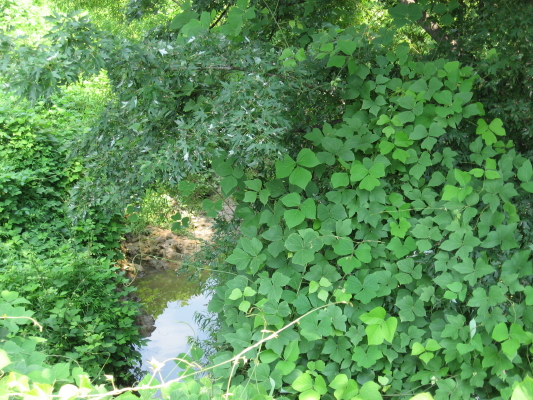
   The drive traverses four watersheds: Swift  Creek in Garner, Walnut Creek at 40 and Hammond, Crabtree over the crest at New Bern Avenue, and the Neuse after the Char-Grill on Atlantic.  Below is Wildcat Creek, a north bearing tributary of Walnut, as it crosses Hammond.  This stretch just south of downtown is still heavily wooded, with side lots and a very large swale bordered by the Lake Wheeler Road offshoots.  There are some trash dumps, plenty of kudzu and microstegia, but really some nice spots.
                 

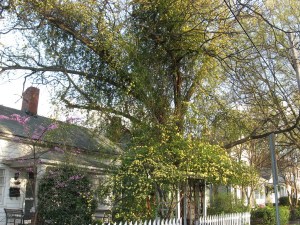
     Proceeding north through downtown, one encounters many fascinating examples of human nature along Person Street.  After sniffing the pet food factory at the transition from Hammond to Person, you cross Bragg Street, one of the most policed streets in Raleigh, but also some nicely renovated homes and parks, as well as the No Hand King at Person and MLK Blvd. – one of the coolest flag-bearers you will ever see.  Moore Square, the Imax at my old church, the Governor’s Mansion – all are just preludes to the real star of Person Street – THE KRISPY KREME!  The Raleigh Naturalist lives across the street.
                                                  

******************


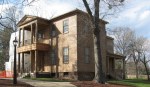
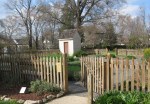
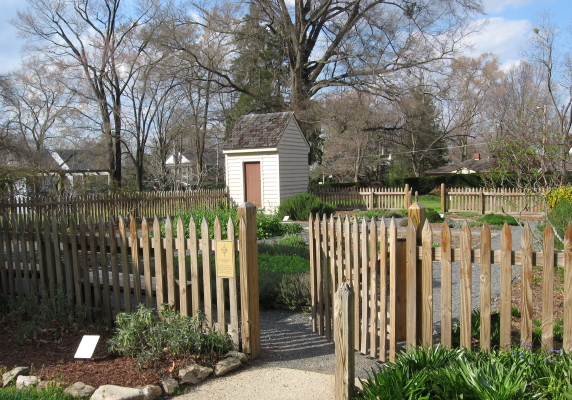
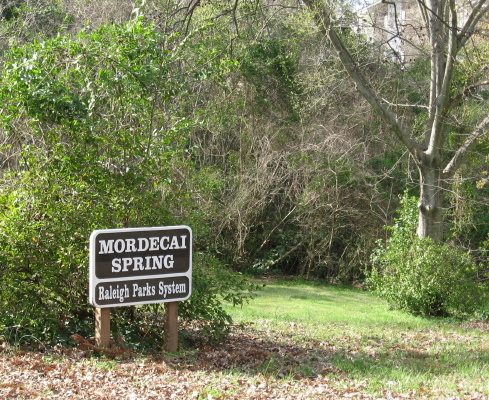
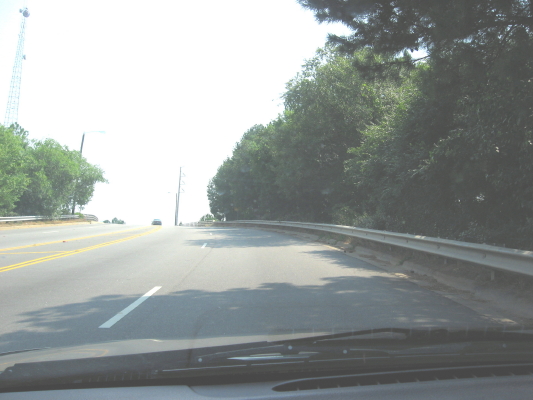
     As you leave downtown, you pass the Mordecai House and its spring, garden, and historic building collection.  It will have its own post soon.  At the bottom of the hill, Person hits an old cowpath of an intersection whose traffic patterns have changed many times in my lifetime.  Brookside, Old Louisburg, Capital, Wake Forest (which is now what Person is named) and Atlantic all crisscross.  Atlantic Ave. is new, but The Circus (originally a Dairy Queen, I believe), and Watkins Grill are ancient and revered blue collar eateries.  Each of them has to watch Pigeon House Creek, which crosses here, very carefully after  heavy rains.  You could take the straightest lane and head up US 1 to Maine.  But let’s do as the city’s design suggests, and take the relatively new Atlantic Avenue north.  On your left, you will see the cut off RR underpass where Person used to merge with Wake Forest Road.  Atlantic rises over the railroad line in a tremendous arc which is achieved by a bridge whose shortsighted design is a travesty and an affront to any biker or pedestrian in this part of the city.  There is a guardrail that forces everyone into the same lanes up in midair, and looks and feels just plain dangerous.
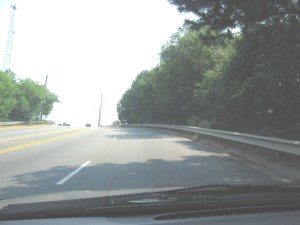
 

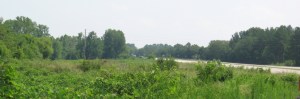
     The view above is approaching south from Whitaker Mill, but the other side is just as bad.  At the bottom of this imposing hill, back to the north, you hit Hodges Road which is one of the more versatile spots in all of Raleigh to begin a greenway trek.  Buckeye beckons to the east, this Middle creek section carries you to Lassiter Mill westward, and several interesting bike trails lead other directions. Below is the north side of Atlantic with the underpass, and the marsh on the south side that leaks its water and is fast becoming a scrub bog.
      

     The drive through northeast Raleigh from here is pretty boring.  There is a huge meadow full of bugs and birds behind and across from the police substation, but both are surely doomed.   Here is the shift from Marsh and Crabtree water to dry hills edging the Neuse drainage.  After Spring Forest, bearing right puts you on Old Wake Forest Road, part of the original route from downtown Raleigh, which leads you directly to – Triangle Town Center!! – no fitting fate for a nature drive.  So finesse to the left and begin your u-turn on Gresham’s Lake Road, which will take you to Litchford, where you can finish your u-turn by turning left and continue in a straight path south all the way back to Garner.   Gresham’s Lake used to be a popular swimming and picnic spot.  It’s eastern end is now part of a quarry operation.  At it’s edge, you can see the huge Paul Bunyan that used to look out from a field on 401.  The Bradshers gave up that property for the Wake Tech campus and moved ole Paul to their landscape business at Gresham’s.

More Person Street another time.  It’s a rich straight street!

 Photo tour of Person Street
« Newer PostsOlder Posts »

Blog at WordPress.com.